
BLOG

- HOME
- BLOG
- Related Knowledge
- What is masonry work? This article introduces five standard procedures for masonry work.
What is masonry work? This article introduces five standard procedures for masonry work.
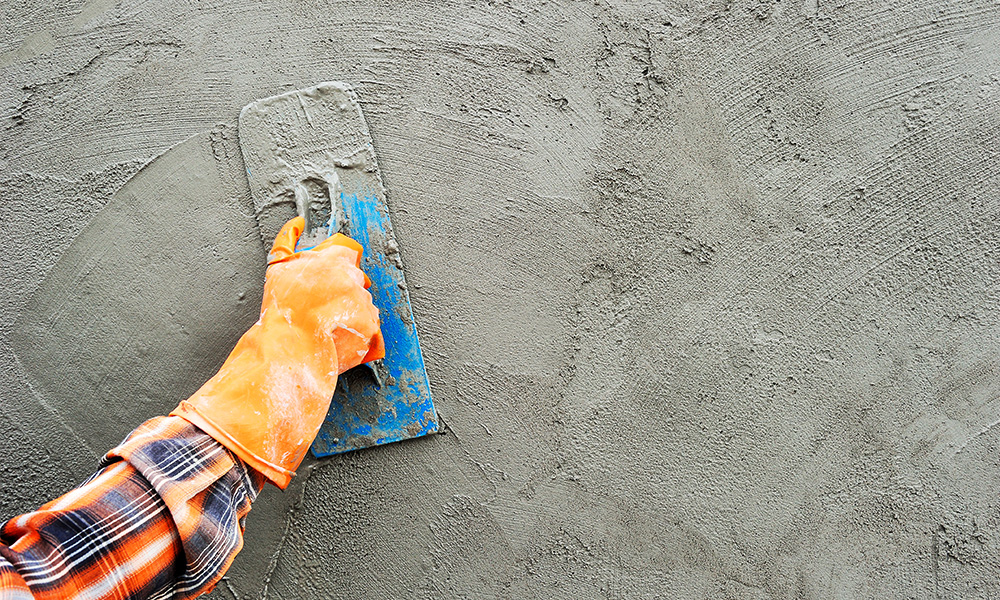
Whether it's renovating a newly purchased home, refurbishing an old house, or remodeling a commercial office, masonry work is often required. But as a homeowner or business owner, do you know what masonry work entails? What procedural details should you pay attention to in masonry projects? This article helps you quickly understand the basics of construction work so that in the future, you can find the right masonry contractor and ensure your indoor renovations are both refined and safe!
Laying the foundation is the first step. It involves excavating the building’s foundation pit and constructing the base. This includes earthwork, digging, determining the depth and dimensions of the pit, and pouring concrete to create a solid foundation.
Wall construction is a major step in masonry work, using bricks, stones, or other materials according to design plans. Tasks include layout according to design, stacking bricks or stones, and using mortar to secure materials while ensuring vertical and horizontal alignment.
Floor tiling involves laying tiles, stones, or other materials. The surface is first leveled and cleaned, then tiles are fixed with cement mortar or adhesive according to design plans, followed by grouting and cleaning.
This step focuses on repairing and finishing existing masonry structures. Damaged areas or cracks are filled, mortar or repair materials are applied, and surfaces are smoothed and polished to achieve a uniform and clean appearance.
Depending on the building’s needs, appropriate paints or coatings are chosen, such as indoor/outdoor paints, weather-resistant materials, or waterproof coatings. Workers apply materials using brushes, rollers, or spray guns to ensure even coverage. This enhances aesthetics and protects masonry surfaces from damage, corrosion, or oxidation.
Evaluating masonry quality involves several factors. Common criteria include:
In some cases, permits are required, such as ceiling renovations, partition wall construction or demolition, floor structure changes, raising or cutting floors. For more details on indoor renovation permit requirements, refer to the Ministry of the Interior Construction and Planning Agency website.
Cracks often result from material shrinkage, foundation settlement, structural deformation, or improper construction. Leaks may occur due to insufficient waterproofing or poor joint treatment, especially in wet areas like bathrooms, kitchens, and roofs. High-quality masonry contractors can prevent these issues.
Selecting the right contractor is crucial. Ensure they have extensive masonry experience, proper qualifications, knowledge of local regulations, and the best construction techniques. Compare prices and services to find the contractor that meets your needs and budget.
After reading this article, you’ve learned the five standard procedures of masonry work and how to assess construction quality. Now it’s time to choose a reliable contractor. We recommend Weideng Engineering for experienced, professional, and communicative masonry services. Looking for a masonry contractor? You can consult for free today!
What is Masonry Work?
Masonry work is an essential part of construction. Whenever soil, stone, or related building materials are used for constructing foundations, walls, floors, or partitions, it is considered masonry work! Masonry is indispensable in construction because it builds the foundation and supporting structures, providing stability and strength to a building.
Masonry work is like the base layer in cake-making, providing a solid foundation. For example, a well-baked cake base is like building walls in masonry, supporting the structure; spreading a smooth layer of frosting on the cake base is like laying tiles in masonry, using cement and covering with tiles or other materials to create a flat floor; finally, decorating the cake is similar to masonry finishing, repairing cracks, and smoothing surfaces to ensure a flawless appearance.
Common Masonry Work Items
Masonry work encompasses various common tasks, which may vary depending on building type, design requirements, and specific project needs. Below are some typical masonry work items:- Wall Construction: One of the basic masonry tasks, using cement and bricks or other materials to build walls. It provides structural support and separation, aiming to create solid wall structures.
- Floor Tiling: This includes laying tiles, stones, or other materials on the floor to create a flat and aesthetically pleasing surface. It can be applied in homes, commercial buildings, or industrial spaces, depending on durability, style, and maintenance needs.
- Masonry Repairs: Involves repairing existing masonry structures. When walls or floors show damage, cracks, or aging, repair work helps protect the building and maintain aesthetic consistency.
- Foundation Work: Includes soil leveling and foundational tasks such as land clearing, digging foundation pits, and constructing base walls to provide a stable foundation for the building's weight and load.
- Exterior Plastering: Applying a layer of cement mortar on exterior walls to smooth surfaces and protect the wall. It provides a unified appearance while enhancing durability and waterproofing.
Standard Procedures in Masonry Work
The actual procedures may vary based on project size, design, or special requirements. Typically, masonry procedures include laying the foundation, building walls, tiling floors, repair and surface finishing, and painting. Detailed steps are as follows:
1. Laying the Foundation
Laying the foundation is the first step. It involves excavating the building’s foundation pit and constructing the base. This includes earthwork, digging, determining the depth and dimensions of the pit, and pouring concrete to create a solid foundation.
2. Wall Construction
Wall construction is a major step in masonry work, using bricks, stones, or other materials according to design plans. Tasks include layout according to design, stacking bricks or stones, and using mortar to secure materials while ensuring vertical and horizontal alignment.
3. Floor Tiling
Floor tiling involves laying tiles, stones, or other materials. The surface is first leveled and cleaned, then tiles are fixed with cement mortar or adhesive according to design plans, followed by grouting and cleaning.
4. Repairs and Surface Finishing
This step focuses on repairing and finishing existing masonry structures. Damaged areas or cracks are filled, mortar or repair materials are applied, and surfaces are smoothed and polished to achieve a uniform and clean appearance.
5. Painting and Coating
Depending on the building’s needs, appropriate paints or coatings are chosen, such as indoor/outdoor paints, weather-resistant materials, or waterproof coatings. Workers apply materials using brushes, rollers, or spray guns to ensure even coverage. This enhances aesthetics and protects masonry surfaces from damage, corrosion, or oxidation.
How to Assess the Quality of Masonry Work?
Evaluating masonry quality involves several factors. Common criteria include:
- Flatness and Verticality: Check walls, floors, and other masonry structures for flatness and vertical alignment. Surfaces should be even, and walls should be upright without noticeable slanting.
- Brick/Tile Compaction: Ensure that joints between bricks or tiles are tight and fully filled. No loose or shifting materials should be present, and joints should be consistent and even.
- Surface Smoothness: Examine surfaces for smoothness without obvious indentations, protrusions, or roughness, reflecting professional workmanship.
- Durability and Waterproofing: Check the quality of cement and materials used to prevent future water leakage. Confirm that the cement matches the specified brand on the estimate for long-term reliability.
- Quality Tests: Conduct tests such as wall strength, mortar mix ratio, and brick quality to ensure compliance with standards and regulations.
- Documentation: Review construction documents like drawings, logs, and material test reports to verify that key steps and details were properly recorded.
- References and Reputation: Investigate the contractor’s past projects and reviews, including awards or certifications, to gauge professionalism and quality.
Frequently Asked Questions About Masonry
Whether you’re planning home renovations or commercial interior work, there are common questions about masonry. Here are three frequently asked questions with expert answers:
1. Do I need a permit for masonry work?
In some cases, permits are required, such as ceiling renovations, partition wall construction or demolition, floor structure changes, raising or cutting floors. For more details on indoor renovation permit requirements, refer to the Ministry of the Interior Construction and Planning Agency website.
2. Why do cracks or leaks occur in masonry work?
Cracks often result from material shrinkage, foundation settlement, structural deformation, or improper construction. Leaks may occur due to insufficient waterproofing or poor joint treatment, especially in wet areas like bathrooms, kitchens, and roofs. High-quality masonry contractors can prevent these issues.
3. How to choose the right masonry contractor?
Selecting the right contractor is crucial. Ensure they have extensive masonry experience, proper qualifications, knowledge of local regulations, and the best construction techniques. Compare prices and services to find the contractor that meets your needs and budget.
Conclusion
After reading this article, you’ve learned the five standard procedures of masonry work and how to assess construction quality. Now it’s time to choose a reliable contractor. We recommend Weideng Engineering for experienced, professional, and communicative masonry services. Looking for a masonry contractor? You can consult for free today!

Johnson
The author possesses years of practical engineering experience and project collaboration skills, excelling at solving problems with clear logic and reliable technical thinking. Focusing on system planning, engineering quality and efficiency optimization, the author is committed to providing stable and trustworthy engineering content and perspectives with professionalism and integrity.
Article Classification
Recent Articles
- What does interior decoration include? A must-read guide before interior renovation!
- How to Build Cleanroom Partitions? Cold Storage Panel Experts Guide You Through Cleanrooms
- How to renovate a bathroom? Learn about bathroom renovation projects, costs, and precautions in 5 minutes!
- How to install construction fencing in compliance with regulations? Understand key specifications and types of fencing in 3 minutes!
- What is a modular house? We'll explain its 5 major advantages and different types!