
BLOG

- HOME
- BLOG
- Related Knowledge
- What does interior decoration include? A must-read guide before interior renovation!
What does interior decoration include? A must-read guide before interior renovation!
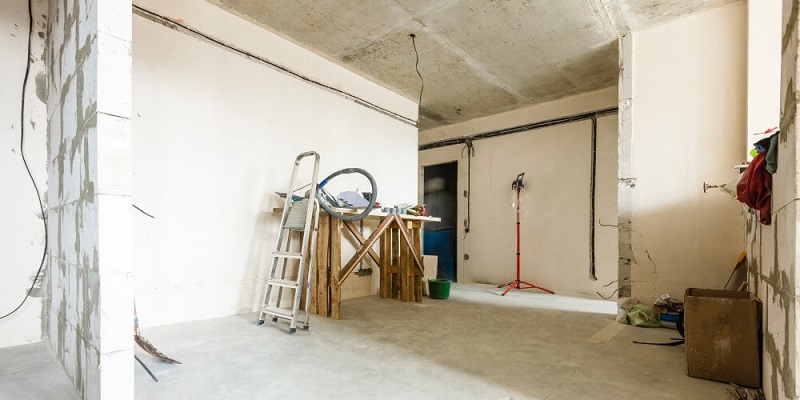
Many people often confuse "repair" and "decoration" in interior works, so they often wonder: if I need to change the internal structure of my house, what interior repairs can I carry out? What does interior renovation involve? What factors should be considered before renovation? These common questions will be answered in detail in this article. Let's hear what interior renovation experts have to say!
〈Further Reading: How to Build Partition Walls? Comparison of 8 Construction Methods〉
〈Further Reading: Differences Between Interior Renovation and Decoration? Understand the Distinction at Once〉
Common foundational repairs include structural repair, leak repair, wall treatment, and electrical inspection. The more renovation items in older houses, the higher the foundational budget. These repairs are essential to ensure structural integrity and functionality after renovation. Therefore, hiring a professional company is recommended to evaluate foundational needs and provide accurate budgets.
〈Further Reading: Where Can Lightweight Partitions Be Used? Materials and Prices Overview〉
〈Further Reading: Office Partition Methods? Complete Comparison Guide〉
What is Interior Renovation?
According to the Construction and Planning Agency's "Regulations on the Management of Interior Renovation of Buildings", interior renovation refers to activities "excluding" wallpaper, wall coverings, curtains, furniture, movable partitions, carpets, and other similar attachments or arrangements. Therefore, these simple interior decoration actions do not count as interior renovation. Simply put, interior renovation involves changes to the internal structure of the house, and repair works can generally be divided into 4 types:- Ceiling renovations fixed to the building structure.
- Interior wall renovations.
- Partitions fixed over 1.2 meters above the floor or partitions serving as cabinets.
- Changes to dividing walls.
4 Common Interior Renovation Items
Many people who plan to renovate old houses or carry out interior repairs will alter the layout of the house, such as installing ceilings or modifying pipeline configurations. If family members increase, interior partitions might also be added. Interior repair thus covers many construction projects. Here are the common interior renovation items:1. Ceiling
Interior renovation often involves designing and modifying ceilings to improve aesthetics and functionality. Common works include replacing ceiling materials, installing lighting systems, creating special ceiling designs, or designing suspended ceilings. Among them, suspended ceilings are most common, usually used to hide pipelines, cables, and other equipment while maintaining a unified visual effect. In short, ceiling decoration can complement structural deficiencies, improve the indoor environment, and achieve decorative effects, making it an essential part of interior renovation!2. Interior Partitions
Interior partitions use panels or dividing structures to separate a large space into multiple independent areas or rooms. These partitions can be fixed or movable, depending on design needs and functional requirements. For example, in office spaces, interior partitions create individual offices, meeting rooms, reception areas, and work zones. These partitions can be built with fixed drywall or metal frames to provide privacy and a good working environment.〈Further Reading: How to Build Partition Walls? Comparison of 8 Construction Methods〉
3. Pipeline Configuration
Pipeline configuration plays an important role in interior renovation to ensure that various facilities inside the building operate normally and maintain smooth water, electricity, and air flow. Common pipeline works include water supply systems, drainage, ventilation ducts, and most importantly, electrical wiring. This includes installing power cables, outlets, and other electrical equipment to connect lighting devices while ensuring the safety and compliance of the electrical system.4. Interior Wall Renovation
Interior wall renovation is more than just applying wallpaper or decals; it involves structural and aesthetic modifications to the walls inside a building. This includes changing wall materials, colors, textures, and designs. Common materials for renovation walls include wood, stone, metal, glass, etc. Some interior designers use special paint techniques to create stone-like effects, metallic textures, or other patterns, adding unique aesthetic effects and atmosphere to the space.〈Further Reading: Differences Between Interior Renovation and Decoration? Understand the Distinction at Once〉
How to Estimate Interior Renovation Costs?
Interior renovation costs usually involve multiple factors and more than one construction project. The following sections explain some key works.Demolition Works
- Define requirements: Identify the parts to be demolished, such as walls, floors, or ceilings.
- Materials and equipment: List required tools, equipment, and protective materials such as protective clothing, safety shoes, masks, etc.
- Labor costs: Estimate the number of workers and working hours to determine labor costs.
Plumbing and Electrical Works
- Define requirements: Identify specific needs, such as installing new water pipes, wiring, outlets, or lighting.
- Materials and equipment: List required plumbing and electrical materials such as pipes, wires, switches, outlets, and estimate their costs.
- Labor costs: Estimate the number of engineers and workers required, including time needed. Consider labor costs, wages, and benefits.
Masonry Works
- Define requirements: Determine the scope of masonry works, such as repairing walls, ceilings, floors, or constructing new masonry structures.
- Materials and equipment: List required building materials such as cement, bricks, drywall, and estimate the cost of tools and equipment.
- Labor costs: Estimate the number of workers required and the time needed to complete the work.
Estimated Cost Range for Different Projects (per Ping)
| Demolition Works | Plumbing & Electrical | Masonry Works | |
|---|---|---|---|
| Small Projects | $1500-4500 | $1500-4500 | $1500-6000 |
| Medium Projects | $4500-9000 | $4500-12000 | $6000-15000 |
| Large Projects | $9000-30000 | $12000-30000 | $15000-60000 |
*Estimated prices are for reference only
Protective Measures Before Renovation
Interior Protection
During interior renovation or construction, a series of preventive measures are taken to ensure the quality and integrity of the indoor environment. Here are three commonly used protective materials:1. Moisture-Proof Cloth
Moisture-proof cloth is used to protect floors, furniture, and other items. It is water- and moisture-resistant, effectively preventing damage to wooden floors or furniture.2. Foam Whiteboard
Foam whiteboard is a lightweight, soft material used to cover walls and hard surfaces to prevent scratches, dents, and damage. It is easy to install and provides an extra protective layer during construction.3. Plywood
Plywood is a strong wood product used in renovation projects as cover or support material. It can cover walls, floors, or create temporary partitions to protect existing structures or create new partitions.Things to Consider Before Interior Repairs
After reviewing the common interior renovation items, it is clear that interior renovation is a complex process requiring professional repair skills. It must comply with building codes and safety standards. Therefore, before renovation, pay attention to the following:Possess Interior Renovation Permit
According to the "Regulations on the Management of Interior Renovation of Buildings", if you want to renovate the interior of your home, you must apply for an interior renovation permit. Interior renovation changes the internal structure and is a professional service, unlike simple decoration that anyone can do. Therefore, professional qualifications, company registration, and government-approved documentation are required. Only government-recognized engineering companies can perform interior renovation.Pre-Renovation House Inspection
Professional companies will assess the overall condition of the house before renovation, checking age, ventilation, water leakage, mold, etc. The assessment directly affects foundational work. Older houses may require more repair works to ensure compliance with safety standards.Common foundational repairs include structural repair, leak repair, wall treatment, and electrical inspection. The more renovation items in older houses, the higher the foundational budget. These repairs are essential to ensure structural integrity and functionality after renovation. Therefore, hiring a professional company is recommended to evaluate foundational needs and provide accurate budgets.
Clarify Interior Renovation Requirements
To achieve your ideal interior, good communication with the project team is essential. Important discussion points include:- Interior Style: Clearly convey your preferred style (minimalist, rustic, etc.) with images or design concepts to help the team understand your preferences.
- Layout & Flow: Plan for user movement patterns, e.g., kitchen workflow from prep to cooking to serving, and design the layout accordingly.
- Budget Constraints: Discuss your budget range so the team can make suitable design and material choices and provide realistic quotations.
- Usage Habits: Inform the team about family habits and special requirements, such as child safety or accessibility for elders.
Your Interior Needs, Understood – Weiden Engineering
Choosing an experienced and professional team is key to quality renovation. Weiden Engineering is a government-recognized company with extensive renovation experience. Our professional team can immediately understand your requirements, evaluate repair items, and provide ceiling and partition renovation services. Free measurements and consultations are available. Contact us now!〈Further Reading: Where Can Lightweight Partitions Be Used? Materials and Prices Overview〉
〈Further Reading: Office Partition Methods? Complete Comparison Guide〉


Johnson
The author possesses years of practical engineering experience and project collaboration skills, excelling at solving problems with clear logic and reliable technical thinking. Focusing on system planning, engineering quality and efficiency optimization, the author is committed to providing stable and trustworthy engineering content and perspectives with professionalism and integrity.
Article Classification
Recent Articles
- What does interior decoration include? A must-read guide before interior renovation!
- How to Build Cleanroom Partitions? Cold Storage Panel Experts Guide You Through Cleanrooms
- How to renovate a bathroom? Learn about bathroom renovation projects, costs, and precautions in 5 minutes!
- How to install construction fencing in compliance with regulations? Understand key specifications and types of fencing in 3 minutes!
- What is a modular house? We'll explain its 5 major advantages and different types!